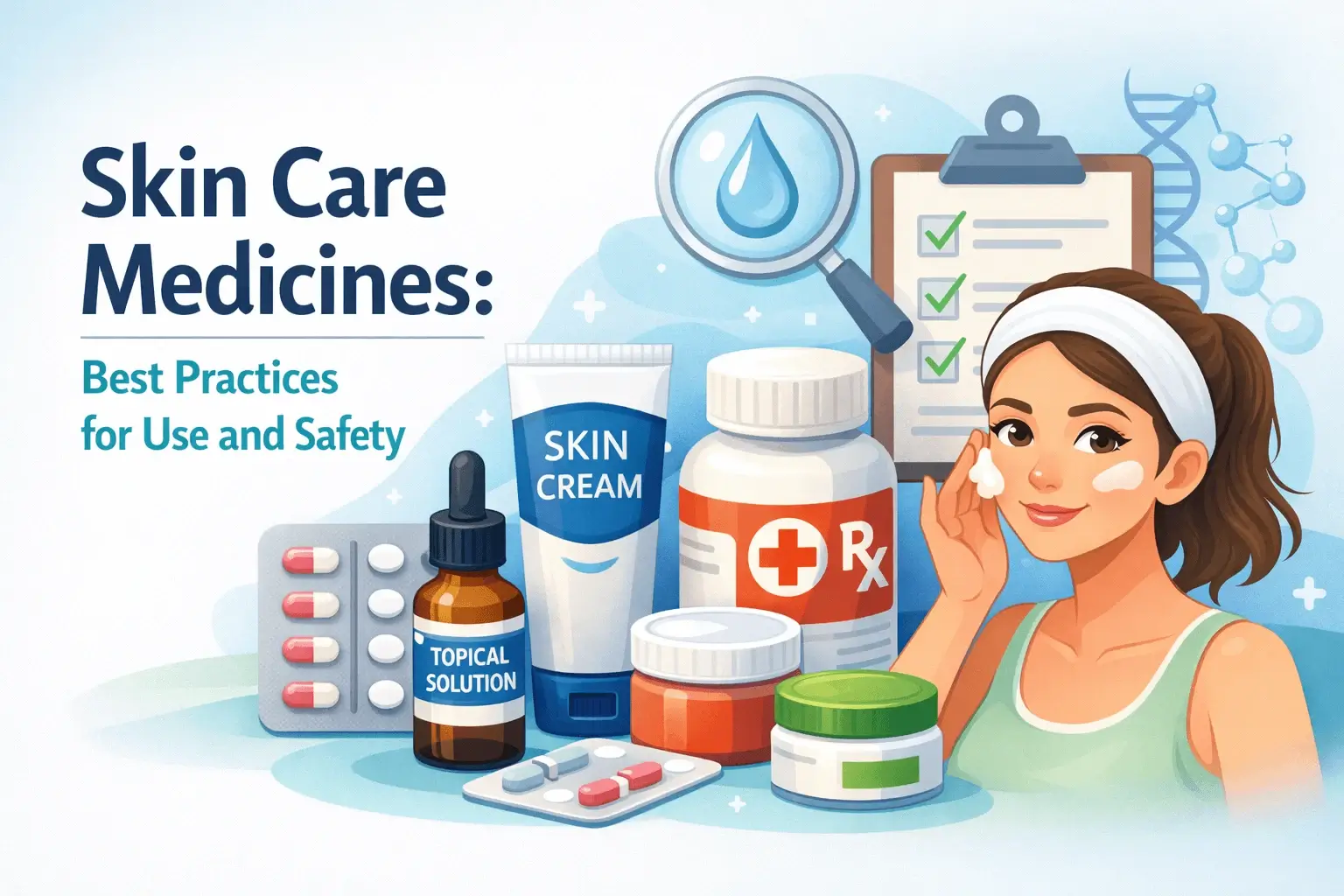
Skin is the body’s largest organ, a protective barrier and a dynamic system that reflects our internal health. Because of this, careful and informed use of skin care medicines is essential to maintain its integrity, treat conditions effectively, and avoid common pitfalls in skincare routines. For individuals searching for trusted information about topical treatments, medicines, and dermatological best practices, this guide provides medically sound, SEO-optimized insights you can rely on.
Introduction: Why Proper Skin Care Medicines Matter
Skin care medicines, from dermatologist-prescribed creams and ointments to medically approved over-the-counter treatments, play a vital role in treating skin concerns such as acne, eczema, psoriasis, pigmentation disorders, and signs of aging. Unlike cosmetic products, these medicines have therapeutic intent and require precision in usage, dose, duration, and safety monitoring.
With millions of people searching for skincare solutions every year, there’s a major need for accurate, expert-validated content that guides safe use, which is precisely what professional healthcare providers and pharmaceutical manufacturers like Mediclock Healthcare ensure through quality products and education.
Understanding Topical Skin Medications
Topical medicines are delivered directly onto the skin surface, enabling targeted treatment locally without systemic effects. These include:
1. Corticosteroid Creams & Ointments
Used to reduce inflammation and itching associated with conditions like dermatitis and eczema. It’s important to use them as prescribed, and not for prolonged periods without medical supervision.
2. Retinoids
Retinoids such as tretinoin and adapalene are prescription agents used to treat acne and photoaging by promoting skin cell turnover. These drugs can cause dryness, irritation, and increased sun sensitivity if not used correctly.
3. Keratolytic Agents
Ingredients like salicylic acid help exfoliate and unclog pores, beneficial for acne and calluses. These are effective when used appropriately but may cause irritation if applied to sensitive areas or in excessive amounts.
4. Antibiotic/Staphylococcal Topicals
For bacterial skin infections, these medicines help reduce infection and inflammatory response when applied properly.
5. Moisturizers & Barrier Repair Agents
Though not always classified as medicines, medicinal moisturizers form a crucial part of treatment regimens for dry or compromised skin barrier conditions.
Best Practices for Using Skin Care Medicines Safely
Using medicinal skin care products appropriately ensures desired outcomes while minimizing risks. Follow these tried-and-true practices:
1. Consult a Dermatologist Before Starting a Treatment
Skin conditions can be multifactorial, influenced by genetics, hormones, environment, and lifestyle. A dermatologist helps determine the correct diagnosis and product selection, especially for prescription medicines.
2. Follow Prescribed Directions
Medicinal products should be used exactly as recommended, this includes application frequency, amount, and duration. Overuse or incorrect application can lead to irritation, reduced effectiveness, or worse side effects.
3. Perform Patch Tests
Before applying any new medicine or active ingredient broadly, apply a small amount on a test area. Observe for redness, swelling, or adverse reactions over 24 – 48 hours.
4. Read Labels and Warning Instructions Carefully
Medicinal products often include specific guidance, such as avoiding eye contact, proper storage, expiration dates, and cautions for sensitive populations.
5. Use Sunscreen in Conjunction with Treatment
Certain skin medicines, especially retinoids and exfoliants, increase sun sensitivity. Applying a broad-spectrum sunscreen with SPF 30 or higher protects skin and enhances treatment outcomes.
6. Avoid Mixing Potent Actives Without Guidance
Strong ingredients like retinoids, alpha-hydroxy acids (AHAs), and benzoyl peroxide can increase irritation when used together without professional guidance. Rotating or spacing out application may prevent over-stress on skin.
7. Maintain Good Hygiene
Wash your hands before and after applying medicines. Avoid shared containers to prevent contamination. Tight closure of lids helps maintain potency and prevents spoilage.
Common Skin Conditions and Medicine Use Guidelines
Below are a few common concerns and best practices for treating them medically:
Acne
Often treated with topical retinoids, benzoyl peroxide, or azelaic acid. Consistent application, layered correctly with moisturizers and SPF, can deliver long-term improvement.
Eczema & Dermatitis
Anti-inflammatory creams and barrier-repair moisturizers help calm flares. Avoid triggers like extreme temperatures or harsh soaps.
Hyperpigmentation
Medicines like hydroquinone (when medically indicated) reduce excess melanin. Caution: prolonged use should be monitored by a professional due to possible irritation.
Fungal Infections
Topical antifungal agents can resolve ringworm, athlete’s foot, or yeast infections, with consistent, complete treatment courses to prevent recurrence.
Safety Tips to Prevent Adverse Effects
While medicinal skin care brings targeted benefits, safety is key:
Avoid Use Near Mucous Membranes
Medicinal products meant for the skin should never contact eyes, nose, or mouth areas unless specified.
Start Slow With Potent Ingredients
When beginning with retinoids or exfoliants, decrease frequency initially (such as every other night) to build tolerance.
Monitor for Side Effects
Persistent redness, severe irritation, itchiness, or blistering warrants immediate medical reassessment.
Use Hypoallergenic Options When Sensitive
Those with sensitive skin may react better to fragrance-free, hypoallergenic formulations.
Consult Before Pregnancy or If Underlying Conditions Exist
Certain medicines may be contraindicated during pregnancy or in people with medical conditions.
How to Choose Safe, Effective Skin Care Medicines
With countless products on the market, choosing the right ones requires knowledge and strategy:
1. Look for Clinical Evidence
Medicines with documented, peer-reviewed efficacy help ensure effective treatment results.
2. Check Regulatory Approvals
Products approved by relevant health authorities or manufactured under compliant facilities like ISO/WHO-GMP certified ones can indicate formulation rigor.
3. Avoid Harmful Ingredients
Some substances may irritate or sensitize skin, use expert guidance to avoid dangerous or unproven components.
4. Prioritize Trusted Brands and Pharmacies
Reputable manufacturers invest in quality control, safety testing, and educational outreach for their products.
Conclusion
Medicinal skin care plays an invaluable role in treating dermatological conditions, restoring balance, and improving skin health. But knowledge and safe practices are just as important as choosing the right product. By consulting professionals, following directions carefully, and integrating medicines into a holistic skin care routine, you can maximize benefits while minimizing risk.
For reliable formulations and quality-assured skin care medicines, trust industry leaders who prioritize safety, innovation, and expert guidance, ensuring your skin gets the professional-grade care it deserves.
FAQs:
Q1. Can skin care medicines be used daily?
Yes, but only as prescribed – with routines often starting slowly to avoid irritation.
Q2. Will all medicinal skincare make skin more sensitive to the sun?
Not all, but many – particularly retinoids and exfoliants – increase photosensitivity, so daily SPF is essential.
Q3. Should children use the same doses as adults?
Children have more sensitive skin; always consult a healthcare provider for pediatric use.
Q4. Can I use medicated creams with cosmetic products?
Often yes, but timing and compatibility matter, professionals can recommend the safest pairing.